
1. הקדמה
This manual provides essential information for the proper installation, operation, and maintenance of your Bisida 23S 72V 50A Lifepo4 Battery Management System (BMS). This BMS is designed to protect 23-series 72V Lifepo4 battery packs, ensuring their longevity and safe operation. Please read these instructions carefully before use.
2. תכונות עיקריות
The Bisida 23S 72V 50A BMS incorporates advanced protection features and high-quality components to safeguard your battery pack.
- פונקציות הגנה מרובות: Includes overcharge protection, over-discharge protection, overcurrent protection, short-circuit protection, temperature protection, and downtime protection.
- כרך ידtage Balance: Features passive balance to maintain cell voltage consistency, extending battery life.
- טווח טמפרטורות עבודה רחב: Supports Lifepo4 battery charging and discharging from -20°C to 70°C.
- רכיבים באיכות גבוהה: Manufactured with excellent protective integrated circuit (IC) and Mosfet for robustness and reliability.
- NTC Temperature Control Probe: Equipped with a new generation NTC temperature control probe for precise temperature monitoring.

איור 2.1: מעלview of the ten functional protections integrated into the BMS.
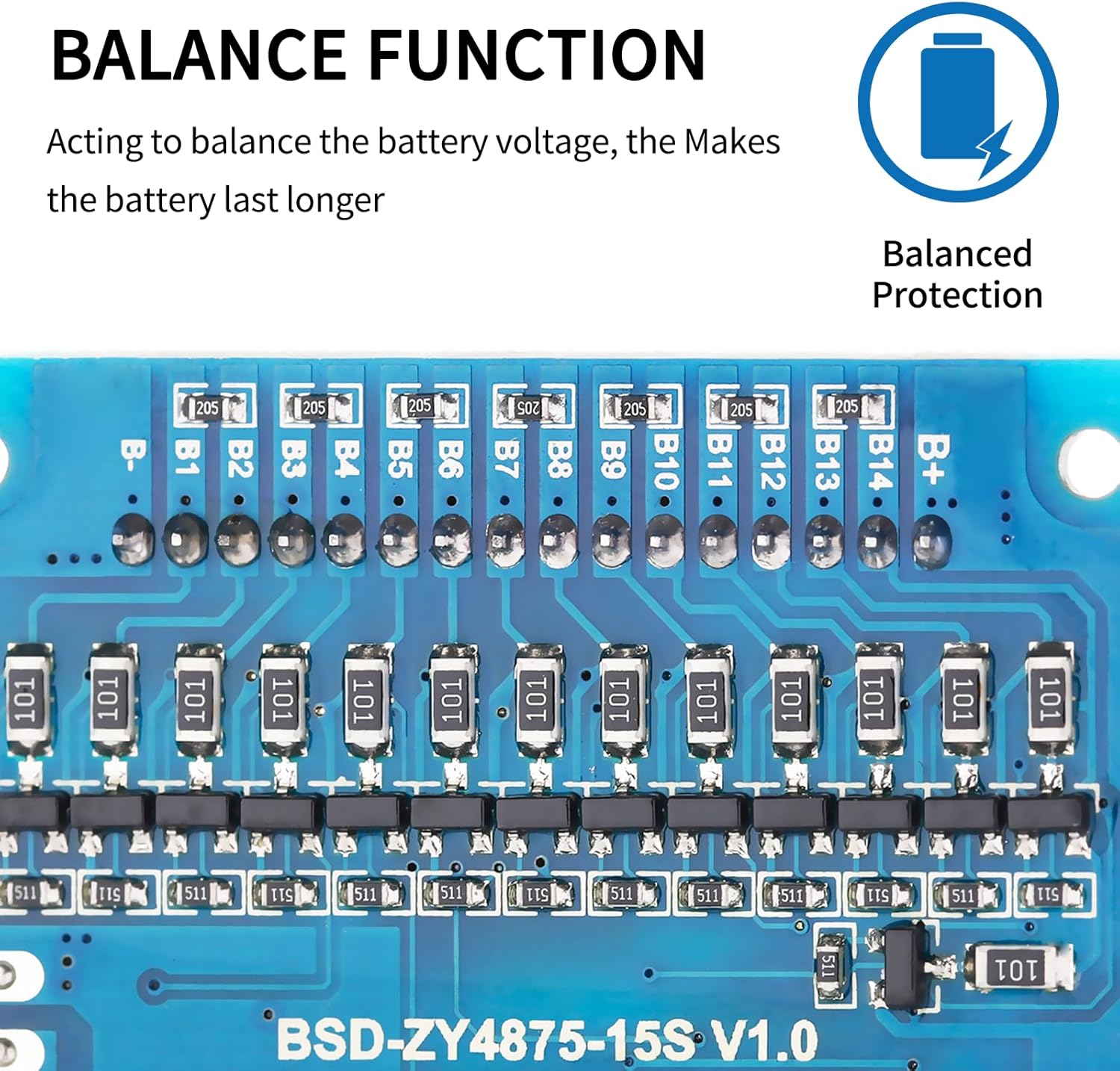
Figure 2.2: NTC temperature control probe for accurate temperature monitoring.

Figure 2.3: Balance function components on the BMS board, ensuring balanced cell voltages.
3. הוראות התקנה וחיווט
Proper wiring is critical for the safe and correct operation of the BMS. Incorrect wiring can damage the BMS, battery pack, or connected devices. Always ensure the battery cells are balanced before connecting the BMS.
3.1 הודעה לפני ההתקנה
Before installing the BMS protective board, it is essential to match the voltage, capacity, and internal resistance of individual battery cells. The voltage difference between cells should not exceed 0.05V, the internal resistance difference should not be more than 5mΩ, and the capacity difference should be less than 30mAh. Failure to meet these conditions may prevent the battery pack from charging correctly.
3.2 Wiring Method for Common Port BMS
Follow these steps for wiring your BMS:
- חבר את B- terminal of the BMS to the negative terminal of the battery pack.
- חבר את C- terminal of the BMS to the negative terminal for both charging and discharging output.
- All positive electrodes of the battery cells should be connected to the total positive pole of the battery pack.
- Connect the balance wires sequentially, starting from the black wire (B0 or B-) and proceeding in ascending order of voltage (B1, B2, B3, etc.) up to B+. Ensure each balance wire is connected to its corresponding cell tap.

איור 3.1: דוגמהample wiring diagram for a serial number connection. This analogy can be extended to other serial protection board wiring methods.
חָשׁוּב: Always double-check all connections before applying power to prevent damage.
4. תנאי הפעלה
The Bisida BMS is designed for Lifepo4 batteries with a nominal voltage of 3.2V per cell. The charging and discharging voltage zones are from 2.3V to 3.65V per cell.
- הגנה בטמפרטורה נמוכה: Activates at -20°C.
- הגנה בטמפרטורה גבוהה: Activates at 70°C.
Specific parameter details may vary with different voltages and currents. Refer to the specifications table for precise values.
5. מפרטים
The following table outlines the key technical specifications and protection parameters for the Bisida 23S 72V 50A Lifepo4 BMS.

Figure 5.1: Lifepo4 Data and Protection Parameters. Note: Internal resistance and self-consumption are dynamic. Test items marked with '*' mean mass production product sampling item or reference item; 'O' indicates the product does not have this function or is not controlled.
| תְכוּנָה | עֵרֶך |
|---|---|
| שם הדגם | 23S 72V 50A |
| כרך ידtage | 72V |
| מידות המוצר (L x W x H) | 5 x 2 x 2 אינץ' |
| משקל פריט | 6.7 אונקיות |
| יַצרָן | Bisida |
| ספירת יחידות | 1.0 ספירה |
6. תחזוקה
To ensure optimal performance and longevity of your BMS and battery pack, consider the following maintenance guidelines:
- בדיקה רגילה: בדקו מעת לעת את כל חיבורי החיווט לאיתור הידוק וסימני קורוזיה או נזק.
- תנאים סביבתיים: Operate the BMS within its specified temperature range. Avoid exposure to extreme temperatures, moisture, or dust.
- איזון תאים: The BMS provides passive balancing. For long-term health, ensure your battery cells are well-matched in voltage, capacity, and internal resistance during initial assembly.
- ניקוי: If necessary, gently clean the BMS board with a dry, soft brush to remove any dust accumulation. Do not use liquids.
7. פתרון תקלות
If you encounter issues with your BMS, refer to the following common troubleshooting steps:
7.1 Battery Pack Not Charging
- Check Cell Matching: ודא כי כרךtage, capacity, and internal resistance of individual battery cells meet the pre-installation requirements (voltage difference < 0.05V, internal resistance difference < 5mΩ, capacity difference < 30mAh). Significant discrepancies can prevent charging.
- בדוק את החיווט: Double-check all wiring connections, especially B-, C-, and the balance wires, according to the wiring diagram (Figure 3.1). Loose or incorrect connections are a common cause of issues.
- בדוק לאיתור נזק: Look for any visible damage to the BMS board, wires, or battery cells.
- הגנת טמפרטורה: Ensure the battery pack and BMS are operating within the specified temperature range (-20°C to 70°C). Extreme temperatures can trigger protection modes.
7.2 Overcurrent or Short-Circuit Protection Triggered
- הפחת עומס: If overcurrent protection is triggered, reduce the load connected to the battery pack.
- בדוק אם יש מכנסיים קצרים: Immediately disconnect power and inspect all connections and devices for any short circuits.
- איפוס: Some protections may automatically reset once the fault condition is removed. If not, a power cycle (disconnecting and reconnecting the battery pack) might be necessary after ensuring safety.
אם הבעיות נמשכות לאחר ביצוע שלבים אלה, פנו לתמיכת הלקוחות לקבלת סיוע נוסף.
8. אחריות ותמיכה
Bisida products are manufactured to high-quality standards. For warranty information or technical support, please refer to the product packaging or contact your retailer. Keep your purchase receipt as proof of purchase.